 Image 1 of 1
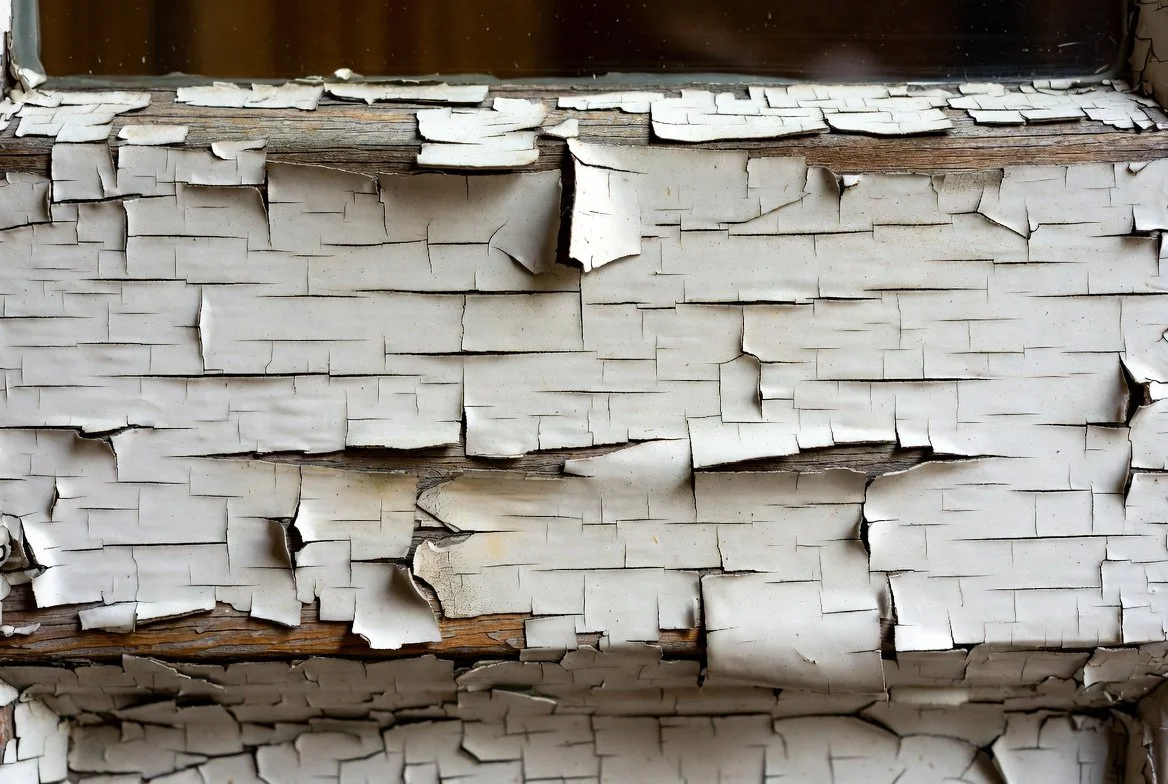
Lead is a dense, toxic metal that was widely used for its durability and malleability; in homes you can find it in old paint (especially on surfaces painted before 1978), plumbing and solder, leaded pipes and fixtures, some imported ceramics and cookware, and in contaminated soil near roadways or industrial sites. To test for lead, professionals perform a combination of visual inspection, X-ray fluorescence (XRF) screening to detect lead in paint without taking samples, and lab analysis of collected samples (paint chips, dust wipes, water, or soil) to measure concentrations; DIY test kits can provide a preliminary indication but are less reliable than certified laboratory testing and professional assessment.
Lead is a dense, toxic metal that was widely used for its durability and malleability; in homes you can find it in old paint (especially on surfaces painted before 1978), plumbing and solder, leaded pipes and fixtures, some imported ceramics and cookware, and in contaminated soil near roadways or industrial sites. To test for lead, professionals perform a combination of visual inspection, X-ray fluorescence (XRF) screening to detect lead in paint without taking samples, and lab analysis of collected samples (paint chips, dust wipes, water, or soil) to measure concentrations; DIY test kits can provide a preliminary indication but are less reliable than certified laboratory testing and professional assessment.