 Image 1 of 1
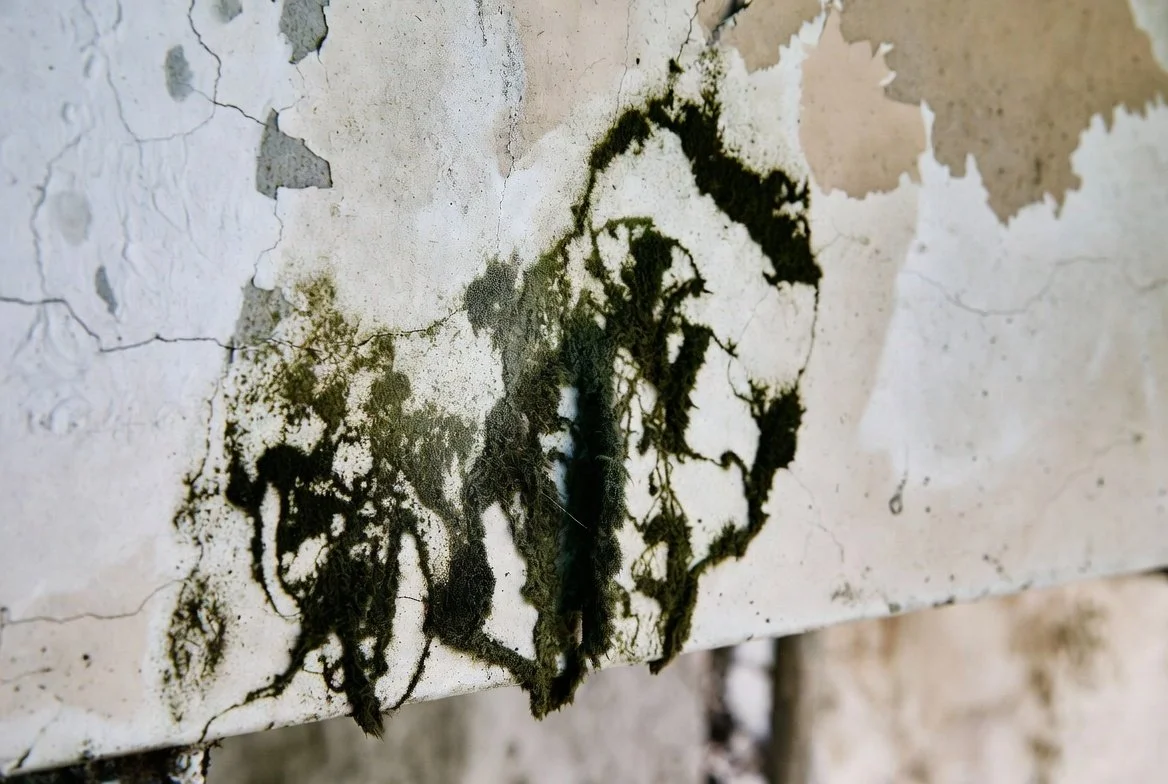
Mold is a type of fungus that thrives in damp, warm environments and reproduces through microscopic spores that float through the air; common indoor varieties include Aspergillus, Penicillium, Cladosporium, and Stachybotrys (black mold). The dangers of mold include respiratory irritation, allergy symptoms (sneezing, watery eyes, nasal congestion), asthma exacerbation, and in some cases more severe health effects for immunocompromised individuals or with prolonged exposure—certain molds also produce mycotoxins that can cause neurological or systemic symptoms. We test for mold by conducting a thorough inspection to locate moisture sources and visible growth, taking air samples to measure spore counts and species composition, collecting surface swabs or tape lifts to identify colonized materials, and performing bulk or laboratory analysis when needed to speciate organisms and quantify contaminant levels; humidity measurements, moisture mapping, and infrared imaging are often used alongside lab testing to pinpoint hidden growth and guide effective remediation.
Mold is a type of fungus that thrives in damp, warm environments and reproduces through microscopic spores that float through the air; common indoor varieties include Aspergillus, Penicillium, Cladosporium, and Stachybotrys (black mold). The dangers of mold include respiratory irritation, allergy symptoms (sneezing, watery eyes, nasal congestion), asthma exacerbation, and in some cases more severe health effects for immunocompromised individuals or with prolonged exposure—certain molds also produce mycotoxins that can cause neurological or systemic symptoms. We test for mold by conducting a thorough inspection to locate moisture sources and visible growth, taking air samples to measure spore counts and species composition, collecting surface swabs or tape lifts to identify colonized materials, and performing bulk or laboratory analysis when needed to speciate organisms and quantify contaminant levels; humidity measurements, moisture mapping, and infrared imaging are often used alongside lab testing to pinpoint hidden growth and guide effective remediation.